Occupying approximately 7.4 square miles of Suffolk County’s South Shore roughly 40 miles east of Manhattan, West Islip represents a particular expression of Long Island suburbia—a community of approximately 27,000-29,000 residents that straddles the geographic and psychological boundary between Nassau County’s mature, densely developed suburbs and Suffolk County’s more sprawling, varied development patterns. Unlike Nassau communities hemmed in by neighboring municipalities and limited geography, West Islip possesses relative spaciousness enabling both dense residential neighborhoods reminiscent of Nassau suburbs and more expansive properties approaching Suffolk County’s semi-rural character. The community combines elements familiar from Nassau Shore communities—post-war suburban development, good schools attracting middle-class families, South Shore beach access—with Suffolk County characteristics including more varied housing density, greater socioeconomic range, and the particular identity that comes from being neither fully suburban nor quite rural.
The name “West Islip” apparently derives from the hamlet’s position west of Islip (the larger neighboring community) and possibly from Islip’s own etymology, which may reference English place names or Native American origins—the specific history remains somewhat obscure, typical for communities whose names accumulated through usage rather than formal designation. The area remained sparsely populated through most of its history, with farms, fishing operations, and scattered properties occupying the flat terrain between Great South Bay and Long Island’s interior.
The transformation came primarily after World War II, though somewhat later and more gradually than Nassau County suburbs. Veterans, growing families, and suburban migration drove residential development through the 1950s-1970s, with population growing from approximately 3,000 in 1950 to over 27,000 by 1980. However, unlike Nassau County’s explosive concentrated development, West Islip’s growth occurred more gradually across larger territory, creating development patterns that vary by neighborhood—some dense subdivisions resembling Nassau suburbs, other areas with larger properties approaching semi-rural character.
West Islip never incorporated as a village, remaining a hamlet within the Town of Islip—one of Suffolk County’s largest townships encompassing numerous hamlets, villages, and communities across substantial territory. This unincorporated status means West Islip lacks independent municipal governance, receiving services from town government, Suffolk County, and various special districts.
Demographics
West Islip’s demographic profile reveals a community maintaining middle-class character while experiencing demographic changes reflecting both broader Long Island patterns and particular Suffolk County dynamics.
The population of approximately 27,000-29,000 residents has remained relatively stable over recent decades, with modest fluctuations reflecting mature development and limited land for substantial expansion. This stability masks internal demographic change—shifting ethnic composition and evolving economic circumstances occurring within overall population continuity.
Racial and ethnic composition shows patterns characteristic of Suffolk County middle-class communities:
White residents comprise approximately 85-89% of the population—high by national standards but showing modest decline from near-total homogeneity decades ago, and somewhat lower than the most homogeneous Nassau County suburbs.
Hispanic or Latino residents represent approximately 7-10% of the population—modest presence reflecting South Shore diversification patterns common across both Nassau and Suffolk counties. The Hispanic population has grown over recent decades, transforming West Islip from overwhelmingly white community to one with some demographic diversity.
Black or African American residents comprise approximately 2-3%, and Asian residents account for approximately 2-3%.
The Italian-American population, while not quantifiable through census racial categories, represents significant demographic component. West Islip, like many South Shore communities, developed substantial Italian-American presence through migration from New York City (particularly Brooklyn and Queens), creating cultural character expressed through Catholic parishes, food culture, social patterns, and community institutions.
Arguments explaining West Islip’s demographic patterns:
Suffolk County location creating different dynamics: Suffolk County communities generally show somewhat different demographic patterns than Nassau equivalents—often slightly lower prices enabling greater economic diversity, somewhat more working-class character, and development patterns creating varied housing stock. West Islip’s Suffolk location shapes demographics differently than comparable Nassau communities.
Economic accessibility within Suffolk County context: Housing costs—typically $450,000-700,000 for standard homes—create barriers for lower-income families while remaining accessible to middle-class households. This pricing enables access for solid middle-class families without requiring the higher incomes necessary in Nassau County.
Post-war development creating homogeneous base: Like Nassau suburbs, West Islip developed during era when discriminatory practices and social patterns created overwhelmingly white communities. These historical patterns created demographic foundations persisting through contemporary turnover.
South Shore Hispanic immigration: South Shore communities show higher Hispanic concentrations than North Shore equivalents, reflecting immigration patterns, employment opportunities, and relatively greater accessibility. West Islip’s Hispanic population reflects these broader patterns.
Property diversity enabling some economic range: Unlike communities with uniform large lots or exclusively small tract housing, West Islip contains varied property sizes enabling access at different price points. This diversity creates modest economic heterogeneity.
Household income and wealth levels place West Islip in comfortable middle-class territory:
Median household income estimates range from $100,000 to $120,000—well above national medians (approximately $75,000) and placing West Islip solidly in middle-class to upper-middle-class territory. These figures reflect dual-income professional households, skilled tradespeople, civil servants, small business owners, and similar middle-class occupations.
The income distribution shows concentration in the $80,000-130,000 range—solidly middle-class households earning comfortable but not extraordinary incomes. The hamlet contains some more affluent households alongside working-class families earning $60,000-80,000, creating modest economic diversity within overall middle-class framework.
Home values reflect Suffolk County South Shore middle-class positioning:
Single-family homes typically range from $425,000-550,000 for smaller or less updated properties to $650,000-850,000 for larger, renovated homes in desirable locations. Some exceptional properties might approach $1 million or exceed it, though such prices remain uncommon. These values represent substantial appreciation—homes that sold for $100,000-200,000 in the 1990s now command $500,000-700,000—but remain somewhat below comparable Nassau County properties.
Property sizes vary considerably across West Islip: some neighborhoods contain modest lots (0.15-0.25 acres) typical of dense suburban development, while other areas feature more generous properties (0.3-0.6 acres or larger) creating more spacious character. This variation reflects different development eras, different developer intentions, and the larger overall territory enabling diverse development patterns.
Annual property taxes typically range from $10,000-15,000—meaningful burden but generally below Nassau County equivalents, reflecting both lower property values and different county and town tax structures. The lower taxes represent one factor making Suffolk County communities financially accessible compared to Nassau.
Age distribution shows mature suburban profile with median age around 42-46 years. The community contains families with school-age children alongside established middle-aged households, empty-nesters, and elderly residents who have aged in place over decades.
Educational attainment reflects middle-class character:
Bachelor’s degree attainment approaches 40-44%—above national averages (approximately 33%) but below the 60-75% rates in the most affluent communities. Graduate and professional degrees are held by approximately 15-19% of adults.
These figures reflect occupational diversity: many residents work in occupations not requiring advanced degrees (skilled trades, civil service, public safety, retail management) alongside professional populations, creating educational profile matching middle-class economic character.
Housing characteristics reflect varied development patterns:
The housing stock shows considerable diversity reflecting West Islip’s larger geography and varied development history:
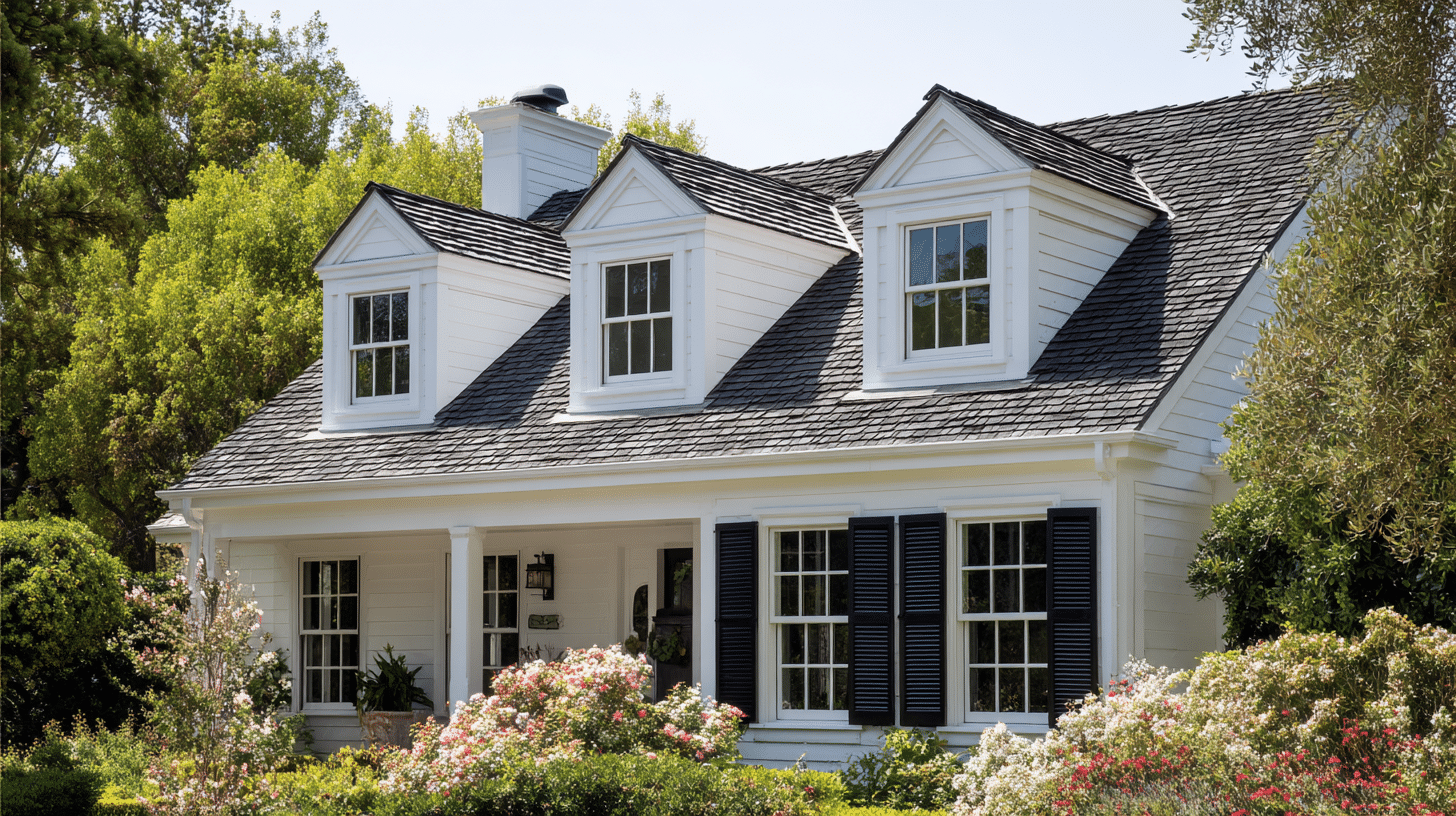
Post-war tract development: Substantial portions contain typical post-war suburban housing—cape cods, ranch houses, split-levels—on modest lots similar to Nassau County suburbs. These areas, developed 1950s-1970s, created the densest residential neighborhoods with smallest lots.
More spacious properties: Other neighborhoods contain larger homes on more generous lots (often 0.4-0.7 acres), creating semi-suburban character different from dense tract development. These properties enable outdoor space, privacy, and property amenities that smaller lots cannot accommodate.
Contemporary development: Some newer construction has occurred through infill development and subdivision of larger properties, adding contemporary housing to established neighborhoods.
Varied architectural styles: The housing includes typical post-war styles (ranch, cape, colonial) alongside some more individualized construction reflecting different eras and owner preferences. However, architectural distinction remains limited—functional housing serving practical needs without exceptional design.
The varied housing stock enables access at different price points and serves families with different space needs and preferences—some seeking modest affordable (by Long Island standards) homes, others seeking larger properties with more land.
Homeownership rates approach 88-92%, reflecting predominantly single-family character and middle-class economic stability enabling purchase.
Education
Education in West Islip operates through the West Islip Union Free School District, an independent district serving the hamlet and creating direct connection between residents and educational governance.
The West Islip Union Free School District operates five elementary schools (Bayview, Manetuck, Paul J. Bellew, Oquenock, and Udall Road), one middle school (West Islip Middle School, also called Oquenock Middle School), and one high school (West Islip High School), serving approximately 4,200-4,600 students across all grades.
Academic performance metrics place West Islip among Long Island’s solid-performing districts:
SAT scores average approximately 1140-1180 (out of 1600)—well above national averages of about 1050 but below the 1300-1400+ levels in elite districts. These scores reflect the district’s middle-class character: strong outcomes serving predominantly middle-class populations without exceptional performance.
Graduation rates approach 93-95%—strong performance exceeding state and national averages and demonstrating effective support for student completion.
Per-pupil expenditures approximate $24,000-27,000 annually—substantial investment but below the wealthiest districts, reflecting solid community commitment within middle-class fiscal constraints. The spending levels run somewhat below Nassau County equivalents, reflecting Suffolk County’s generally lower educational expenditures.
College attendance exceeds 75-80% of graduates, with students pursuing varied post-secondary pathways including four-year universities, community colleges, and vocational training.
Arguments about West Islip schools’ quality:
Solid performance serving middle-class community: The district delivers strong educational outcomes appropriate to middle-class populations. Academic metrics demonstrate genuine educational quality—committed teachers, adequate facilities, comprehensive programming—preparing students well for diverse futures without reaching elite levels.
Balanced educational approach: West Islip schools emphasize well-rounded education including academics, athletics, arts, and extracurriculars without intense achievement pressure. The district serves students pursuing varied pathways rather than focusing narrowly on elite college placement.
Athletic and extracurricular strengths: The district maintains strong athletic programs and comprehensive extracurricular offerings. Sports programs receive community support and create school identity, with football, lacrosse, and other sports generating community engagement.
Community-oriented character: Schools deeply integrate with community life. Athletic events, performances, and school activities draw community participation. The schools reflect community values: accomplished but unpretentious, accessible but rigorous, emphasizing well-rounded development.
Suffolk County context: Within Suffolk County, West Islip schools rank among stronger districts, though perhaps not reaching the very top tier. The district provides educational quality attracting families to the hamlet and supporting property values.
The balanced assessment:
West Islip schools provide solid education in community-oriented district serving middle-class populations effectively. The district succeeds at preparing students for diverse futures while creating community identity through comprehensive programming. Families seeking strong education with balanced approach and Suffolk County affordability often find West Islip appealing. The schools represent significant community asset and primary factor attracting families with children.
Tourism
Tourism to West Islip operates at essentially zero levels, reflecting typical suburban patterns where communities exist for residential purposes without attractions drawing visitors:
The absence of tourism reflects standard characteristics:
No historic sites or heritage resources: West Islip developed primarily as post-war suburb without accumulating historical significance.
No distinctive architecture: The housing consists of functional suburban development without architectural distinction.
No natural attractions beyond bay access: The waterfront provides local amenity without constituting regional destination.
No cultural institutions: The hamlet contains no museums, galleries, or cultural facilities attracting visitors.
Commercial districts serve local needs: Strip malls provide resident convenience without destination appeal.
Proximity to Fire Island and beach areas:
While West Islip itself attracts no tourists, its location provides access to regional destinations:
Fire Island access: The barrier beach island lies accessible from West Islip, with Robert Moses State Park providing ocean beach recreation.
Great South Bay: The bay offers fishing, boating, and water recreation opportunities.
Regional shopping and dining: Major commercial developments in surrounding communities serve needs West Islip’s local commercial strips cannot fully meet.
The realistic assessment:
West Islip will remain residential hamlet without tourism dimension. The community succeeds at residential functions without needing visitor attention or tourism revenue. Non-residents have no particular reason to visit West Islip specifically, though they may pass through or utilize regional resources accessible from the hamlet.