Occupying approximately 4.3 square miles of Suffolk County’s South Shore roughly 46 miles east of Manhattan, Islip (the hamlet) represents something paradoxical and complex—a community of approximately 18,000-19,000 residents that serves as namesake and geographic center of the Town of Islip (one of Long Island’s largest townships, encompassing over 100 square miles and 335,000+ residents across numerous hamlets and villages) while itself remaining an unincorporated hamlet lacking the governance authority, distinctive identity, or community coherence that the “center” designation might suggest. Unlike incorporated villages with defined boundaries, municipal services, and clear identities, Islip hamlet functions as administrative focal point and commercial crossroads within the broader township structure while struggling to develop genuine community character, distinctive identity, or solutions to the social and economic challenges that post-war development patterns, demographic change, and economic restructuring have created.
The name “Islip” possesses contested etymology—possibly deriving from English place names (Islip in Oxfordshire or Northamptonshire), possibly from Native American origins, or possibly from the Dutch “ijselip” (meaning “ice river”). English colonization brought settlement in the 17th century, with the area developing gradually as agricultural and fishing community along Great South Bay. The Town of Islip’s 1788 organization created one of Long Island’s original townships, with Islip hamlet serving as town seat where government offices, civic functions, and administrative activities concentrated even as the hamlet itself remained small village.
The transformation came primarily after World War II when suburban development converted agricultural land to residential subdivisions throughout the Town of Islip. The hamlet itself experienced growth—population increasing from a few thousand to nearly 20,000 by the 1970s—but never developed the cohesive character, strong schools, or distinctive identity that might have created genuine community focal point. Instead, Islip hamlet became commercial and administrative center serving broader township while facing the particular challenges affecting working-class South Shore communities: demographic change, economic stress, aging infrastructure, and the visible social problems that middle-class flight and working-class concentration create.
Islip never incorporated as village, remaining hamlet within the larger Town of Islip structure. This unincorporated status means the hamlet lacks independent governance—receiving services from town government, Suffolk County, and various special districts without direct local control over zoning, development, or community character. This absence of governance capacity has contributed to the hamlet’s challenges, as residents lack mechanisms for collective action addressing problems or implementing community vision.
Demographics
Islip hamlet’s demographic profile reveals a community experiencing substantial diversity, economic challenges, and demographic change characteristic of working-class South Shore communities:
The population of approximately 18,000-19,000 residents has remained relatively stable or modestly declined from peak populations in the 1970s-1980s, reflecting demographic patterns affecting many inner-ring Suffolk County communities where middle-class families departed for newer developments further east while working-class and immigrant populations arrived.
Racial and ethnic composition shows significant diversity by Long Island suburban standards:
White residents comprise approximately 60-65% of the population—majority status but substantially lower than typical Long Island suburbs and reflecting meaningful demographic diversification over recent decades.
Hispanic or Latino residents represent approximately 25-30% of the population—among the higher concentrations in Suffolk County and reflecting sustained immigration from Central America (particularly El Salvador), South America, Mexico, and Caribbean. This Hispanic population has grown dramatically over recent decades, transforming Islip from predominantly white community to substantially Hispanic municipality.
Black or African American residents comprise approximately 8-10%, and Asian residents account for approximately 2-3%.
Arguments explaining Islip’s demographic diversity and change:
Economic accessibility enabling diverse immigration: Islip’s housing costs—ranging from approximately $300,000 for modest properties to $550,000-650,000 for standard homes—create accessibility for working-class and lower-middle-class families unable to afford more expensive Long Island communities. This economic accessibility enables immigrant populations, particularly Hispanic families, to establish presence and pursue homeownership.
Rental housing availability: Unlike exclusively single-family owner-occupied suburbs, Islip contains apartment buildings, multi-family houses, and rental housing enabling access for those unable or unwilling to purchase. This rental stock creates housing accessibility for recent immigrants, young workers, and lower-income families.
Employment opportunities: Islip and surrounding areas provide employment in service sectors, construction, landscaping, restaurant industry, retail, and other fields employing substantial working-class and immigrant populations. MacArthur Airport, nearby commercial development, and service economy create jobs attracting working-class populations.
Middle-class departure and demographic replacement: Some middle-class white families departed Islip for newer suburbs further east (like West Islip) or for communities perceived as having better schools or less demographic change, creating housing availability that immigrant families filled. This “white flight” pattern—whether motivated by economic opportunity, school quality concerns, or racial/ethnic preferences—enabled demographic transformation as departing populations created housing market opportunities for arriving immigrants.
Network effects and community infrastructure: As Hispanic populations established presence, community infrastructure developed—Spanish-language businesses, restaurants serving Latin American cuisines, churches offering Spanish services, cultural organizations—making Islip more attractive to additional Hispanic immigrants through network effects and cultural familiarity.
Household income and wealth levels reflect working-class and lower-middle-class character:
Median household income estimates range from $70,000 to $85,000—above national medians but substantially below Nassau County ($120,000) and below many Suffolk County suburbs. These figures reflect working-class occupations: service workers, construction laborers, retail employees, skilled trades, lower-level civil servants, and similar positions providing modest incomes without achieving middle-class comfort.
Income distribution shows substantial variation: the hamlet contains households earning under $40,000 living in genuine economic stress alongside modest middle-class families earning $80,000-110,000 and some more comfortable households earning more. This income diversity creates economic heterogeneity within overall working-class framework.
Poverty rates approach 10-13%—substantially higher than typical Long Island suburbs (often under 5%) and reflecting populations struggling economically. This poverty concentrates particularly among recent immigrant populations, single-parent households, elderly residents on fixed incomes, and those facing employment instability.
Home values reflect working-class accessibility:
Single-family homes typically range from $300,000-400,000 for modest properties to $500,000-650,000 for standard homes. Some better-maintained properties in desirable locations might reach $700,000-800,000, though such prices remain less common. These values—lower than most Long Island suburbs—create working-class accessibility while still representing substantial sums requiring steady employment and financial stability.
The housing market shows greater affordability than surrounding communities like neighboring Brightwaters ($700,000-3 million) or even West Islip ($450,000-850,000), creating the accessibility differential that enables working-class populations to concentrate in Islip while middle-class and affluent families purchase elsewhere.
Annual property taxes typically range from $9,000-13,000—meaningful burden for working-class households earning $60,000-85,000, consuming substantial portions of household income and creating financial stress for those living paycheck-to-paycheck.
Age distribution shows working-class profile with median age around 38-42 years. The hamlet contains substantial young immigrant families with children alongside established middle-aged populations and elderly longtime residents who purchased homes decades ago and aged in place.
Educational attainment reflects working-class and immigrant character:
Bachelor’s degree attainment approaches 25-30%—well below national averages (33%) and dramatically below affluent suburbs’ 60-75% rates. Graduate and professional degrees are held by approximately 8-12% of adults.
These figures reflect occupational patterns: substantial populations working in service occupations, construction, retail, food service, manual labor, and skilled trades not requiring advanced education, alongside smaller professional populations. The educational diversity matches economic heterogeneity, with recent immigrants often arriving with limited formal education even when possessing substantial practical skills and work ethic.
Housing characteristics reflect varied development history and economic diversity:
The housing stock shows considerable variety:
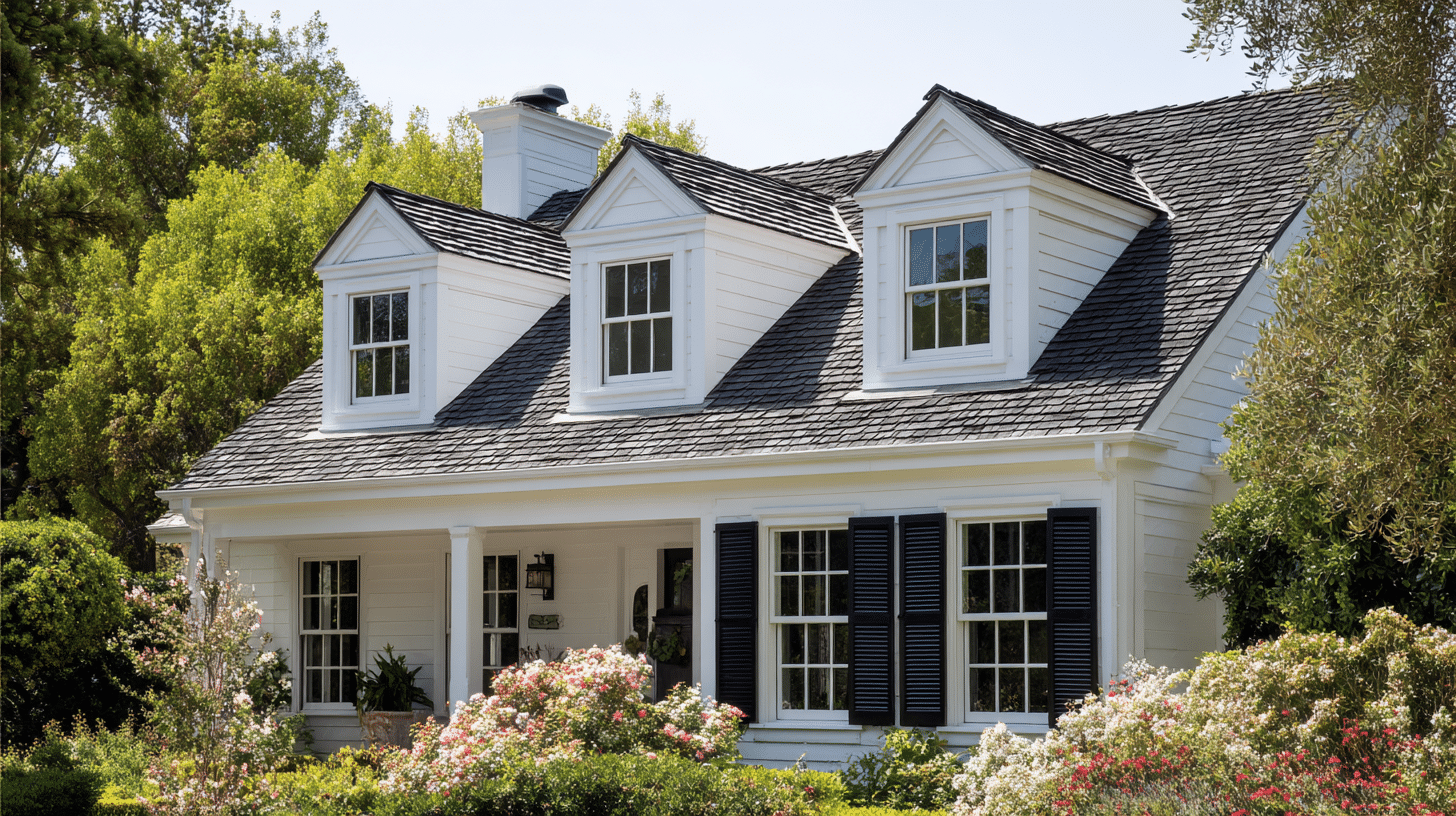
Post-war tract development: Substantial portions contain typical post-war suburban housing—cape cods, ranch houses, modest colonials—built 1950s-1970s on small-to-modest lots. These homes provide basic housing stock at various maintenance levels reflecting owner resources and priorities.
Older housing: Some pre-war homes and early 20th-century structures exist, particularly in older sections near downtown and waterfront. These properties range from well-maintained to deteriorating depending on owner investment.
Apartment buildings and multi-family housing: Unlike exclusively single-family suburbs, Islip contains substantial apartment buildings and multi-family structures providing rental housing serving young adults, immigrant families, working-class households, and those unable to afford purchases. The apartments create housing diversity and economic accessibility.
Varied maintenance conditions: Housing conditions vary dramatically—from meticulously maintained properties to structures showing deferred maintenance, deterioration, or neglect. This maintenance variation reflects economic circumstances, owner resources, and the challenges facing working-class communities where homeowners may lack capital for upkeep.
Some illegal conversions: Like many working-class communities, Islip likely experiences illegal housing conversions—single-family homes converted to multi-family use, garage apartments, basement rentals—creating additional density and rental income while potentially generating code violations, neighborhood impacts, and enforcement challenges.
Architectural distinction remains limited—functional working-class housing serving practical needs without exceptional design or aesthetic ambition. The overall housing stock serves working-class populations adequately without achieving architectural significance or creating distinctive community character through built form.
Homeownership rates approach 70-75%—lower than typical Long Island suburbs (often 90%+) and reflecting substantial rental housing stock creating mixed tenure patterns. The lower homeownership rates mean more transient populations, less accumulated household wealth through equity, and different community investment patterns compared to ownership-dominated suburbs.
Education
Education in Islip operates through the Islip Union Free School District, an independent district serving the hamlet and creating one of the community’s most significant institutions:
The Islip Union Free School District operates multiple elementary schools, Islip Middle School, and Islip High School, serving approximately 2,800-3,200 students across all grades.
Student demographic composition reflects hamlet diversity:
The district serves substantial demographic diversity:
Hispanic students comprise approximately 45-50% of enrollment—reflecting the hamlet’s substantial Hispanic population and concentration of immigrant families with school-age children.
White students represent approximately 40-45%, Black students approximately 5-7%, and Asian students approximately 2-3%.
English Language Learners constitute approximately 10-15% of enrollment—substantial population requiring specialized instruction and support services.
Free and reduced-price lunch eligibility approaches 45-50%—indicating that substantial portion of students come from economically disadvantaged families, dramatically higher than affluent suburbs (often 10-20% or less) and creating educational challenges.
Academic performance metrics reflect challenges of serving economically disadvantaged populations:
SAT scores average approximately 1010-1050 (out of 1600)—slightly below or near national averages but dramatically below affluent Long Island districts’ 1200-1400+ levels. These scores reflect student demographic characteristics (economic disadvantage, recent immigration, language barriers) and educational challenges that wealthy districts avoid.
Graduation rates approach 87-90%—below affluent districts’ 95-98% rates but representing genuine achievement given challenges. The district succeeds at moving most students through completion despite circumstances that might drive higher dropout rates elsewhere.
Per-pupil expenditures approximate $23,000-26,000 annually—solid by national standards but below wealthiest Long Island districts and potentially insufficient given extraordinary needs. Educating English Language Learners, serving economically disadvantaged students, and providing comprehensive support requires resources exceeding typical per-pupil spending.
College attendance rates reach approximately 60-70% of graduates—lower than affluent suburbs where 90%+ continue to four-year colleges, but representing varied pathways including community colleges, vocational training, military service, and direct employment appropriately serving diverse student needs and circumstances.
Arguments about Islip schools’ performance and challenges:
Substantial challenges requiring acknowledgment: Islip schools face educational challenges that affluent districts never encounter—teaching students from poverty lacking educational resources, serving recent immigrants with limited English, addressing family instability and trauma, and navigating cultural differences. Comparing Islip’s outcomes to Syosset or Jericho without acknowledging entirely different contexts misunderstands educational reality.
Genuine achievement within constraints: Given challenges, Islip schools achieve meaningful success—graduating nearly 90% of students, moving majority toward post-secondary education or training, and providing comprehensive programming serving diverse needs. Teachers working in Islip demonstrate commitment addressing challenges that comfortable suburban positions avoid.
Resource inadequacy: The district operates with resources insufficient for needs. Teaching English Language Learners requires specialized staff, serving disadvantaged students demands support services, and maintaining safe supportive environments requires investment that per-pupil spending may not fully fund.
Achievement gaps and equity concerns: Performance gaps likely exist between different student subgroups—economically advantaged versus disadvantaged, native English speakers versus ELL students, different ethnic groups. Addressing these gaps requires targeted interventions potentially exceeding district capacity.
Community economic stress affecting outcomes: Educational outcomes reflect broader community circumstances—family economic insecurity, housing instability, parental work demands limiting educational support, and social stresses affecting children’s learning capacity. Schools cannot fully compensate for these circumstances even with exceptional effort.
The critical assessment:
Islip schools face substantial challenges serving working-class and immigrant populations with constrained resources. The district succeeds at fundamental mission—educating majority of students through graduation and preparing them for varied futures—while acknowledging that outcomes lag affluent districts operating in entirely different contexts. Families seeking maximum academic metrics and elite college placement will find other districts more suitable; families valuing diversity, affordability, and practical education serving working-class circumstances may find Islip appropriate; immigrant families seeking community support and cultural familiarity may find Islip uniquely accessible despite educational limitations.
Tourism
Tourism to Islip hamlet operates at essentially zero levels:
The absence of tourism reflects typical working-class suburban patterns:
No historic sites or attractions: Islip developed gradually without accumulating historical significance worth commemorating or preserving for visitation.
No distinctive architecture or character: The housing and commercial development consists of functional working-class construction without architectural distinction.
No natural attractions: While Islip township includes substantial Great South Bay waterfront, the hamlet itself lacks significant beach access or preserved natural areas attracting visitors.
No cultural institutions: The hamlet contains no museums, galleries, or cultural facilities drawing tourists.
Commercial district serves local needs: The working-class commercial strips serve resident needs without creating destination appeal for outside visitors.
Administrative function not generating tourism:
While Islip serves as Town of Islip seat, this administrative function doesn’t generate tourism—people visit government offices for business purposes rather than as tourists, and town government operations don’t constitute visitor attraction.
Regional context:
Islip exists within region containing actual tourism destinations—Fire Island beaches, MacArthur Airport serving travelers, and various South Shore recreational facilities—but the hamlet itself attracts no visitation. Islip will remain working-class residential hamlet and administrative center without tourism dimension.