Occupying merely 0.8 square miles of Suffolk County’s South Shore immediately adjacent to Bay Shore, Brightwaters represents something genuinely distinctive among Long Island communities—an incorporated village of approximately 3,100-3,300 residents that has successfully maintained exclusive residential character, architectural coherence, village governance, and economic homogeneity through deliberate planning, restrictive covenants, and governance mechanisms designed specifically to preserve community character against the demographic and economic changes transforming surrounding areas. Unlike Bay Shore’s working-class diversity or typical suburbs’ middle-class homogeneity, Brightwaters functions as carefully curated residential enclave: architecturally distinguished homes on substantial waterfront and interior properties, stringent design controls ensuring aesthetic coherence, village governance exercising comprehensive planning authority, and the particular character that emerges when affluent residents use municipal power and legal mechanisms to preserve exclusivity amid broader regional change.
The name “Brightwaters” evokes the community’s waterfront location along Great South Bay and the Champlin Creek canal system that defines village geography and creates the waterfront character distinguishing Brightwaters from inland suburbs. The area remained sparsely populated through most of its history until early 20th-century development by the Thompson family, who purchased substantial acreage and created planned residential development with particular architectural vision. The Thompsons developed Brightwaters as coherent planned community rather than allowing piecemeal subdivision, establishing architectural guidelines, creating canal system providing extensive waterfront access, and incorporating stringent deed restrictions ensuring development quality and character preservation.
Village incorporation in 1916 established local governance enabling community control over development, zoning, and services—critical for maintaining the exclusive residential character that planned development initiated. Through more than a century since incorporation, Brightwaters has successfully maintained founding vision: architecturally distinguished homes, extensive waterfront access via canal system, strict design controls, and residential exclusivity protecting against commercial intrusion or architectural degradation. The village’s success at preserving character stands in stark contrast to adjacent Bay Shore’s struggles and demographic transformation—a contrast highlighting how governance, wealth, and legal mechanisms can create dramatically different community trajectories within walking distance.
Demographics
Brightwaters’ demographic profile reveals a community that has maintained remarkable homogeneity through deliberate policies, economic barriers, and governance mechanisms designed to filter populations and preserve particular community character.
The population of approximately 3,100-3,300 residents has remained relatively stable over decades, with the small geographic area (merely 0.8 square miles) and built-out character preventing significant expansion. This stability reflects successful achievement of planning goals: maintaining low-density residential development without population growth that might threaten community character.
Racial and ethnic composition shows extraordinary homogeneity contrasting sharply with adjacent Bay Shore:
White residents comprise approximately 92-95% of the population—dramatically higher than adjacent Bay Shore (50-55%) and higher than most Suffolk County suburbs, reflecting the economic and social filtering that exclusive communities maintain.
Hispanic or Latino residents represent approximately 2-3% of the population—negligible compared to Bay Shore’s 38-43%, demonstrating how property values and community character create barriers to Hispanic immigration that has transformed adjacent communities.
Asian residents account for approximately 2-3%, and Black or African American residents comprise roughly 1-2%.
Arguments explaining Brightwaters’ demographic homogeneity:
Economic barriers creating demographic filtering: Brightwaters property values—typically $700,000-1.2 million for standard homes, with waterfront properties reaching $1.5-3 million+—create economic barriers accessible only to affluent households. Given persistent racial wealth gaps, economic filtering produces substantial demographic homogeneity even without discriminatory intent by current residents.
Architectural requirements and design controls: Village architectural review boards and deed restrictions require specific architectural standards, design approval for alterations, and aesthetic conformity. These requirements create additional costs (architectural plans, review processes, expensive construction meeting standards) that effectively increase entry costs beyond property prices alone.
Cultural and social filtering: Communities develop reputations attracting particular populations while potentially deterring others. Brightwaters’ reputation as exclusive, architecturally controlled, affluent enclave attracts those valuing these characteristics while those seeking diversity, affordability, or less restrictive environments choose differently.
Small size limiting diversity: The tiny population (approximately 3,200) means even proportionate diversity would produce small absolute numbers. Random variation in such small populations could maintain homogeneity simply through statistical chance alongside structural factors.
Contrast with adjacent Bay Shore: The sharp demographic contrast between Brightwaters and Bay Shore—separated by village boundaries rather than significant distance—demonstrates how governance, property values, and community controls create different demographic outcomes even in immediate geographic proximity. Hispanic immigrants settling in affordable Bay Shore rarely cross village lines into expensive Brightwaters, creating de facto segregation by price if not explicit policy.
Household income and wealth levels place Brightwaters among Suffolk County’s most affluent communities:
Median household income likely exceeds $150,000-180,000, though such figures dramatically understate actual wealth in communities where income derives substantially from investments, business ownership, and assets rather than earned wages. Many households possess net worth reaching millions of dollars through business success, professional earnings, investments, or inherited wealth.
The income distribution shows concentration at high levels—most households earn $120,000+ with substantial representation above $200,000. Few if any households struggle economically; the community filters effectively for affluence.
Home values reflect waterfront location and exclusive character:
Properties typically range from $700,000-950,000 for smaller non-waterfront homes to $1.1-1.8 million for substantial properties or those with canal access. Direct Great South Bay waterfront properties command premium prices potentially exceeding $2-4 million depending on size, location, and water access. These values represent substantial appreciation over decades while creating entry barriers restricting access to affluent populations.
The extensive canal system—Champlin Creek and created canals providing numerous properties with water access and dock facilities—creates waterfront premium affecting substantial portion of village properties. Many homes feature docks, water access, and boating facilities, enabling maritime lifestyle and creating property values substantially above comparable interior properties.
Annual property taxes typically range from $15,000-25,000 for standard properties to $30,000-50,000+ for the most valuable waterfront estates, reflecting both property values and Suffolk County tax structures. These high taxes create ongoing economic barriers beyond purchase prices—requiring substantial incomes for comfortable payment.
Age distribution shows mature affluent profile with median age approaching 50-55 years—reflecting established affluent families, empty-nesters occupying substantial properties, and retirees maintaining homes. The village contains fewer young families with school-age children than typical suburbs, partly reflecting property costs requiring high incomes that younger households may not yet have achieved.
Educational attainment reaches extraordinary levels:
Bachelor’s degree attainment likely exceeds 75-80%—among the highest rates in Suffolk County. Graduate and professional degrees are held by approximately 40-45% of adults—similarly exceptional figures reflecting professional and business backgrounds of residents who can afford village properties.
These credentials concentrate in high-earning fields: medicine, law, finance, business ownership, and other professions generating incomes and wealth enabling Brightwaters residency.
Housing characteristics reflect planned development and architectural controls:
The housing stock shows distinctive character created through original planning and maintained through governance:
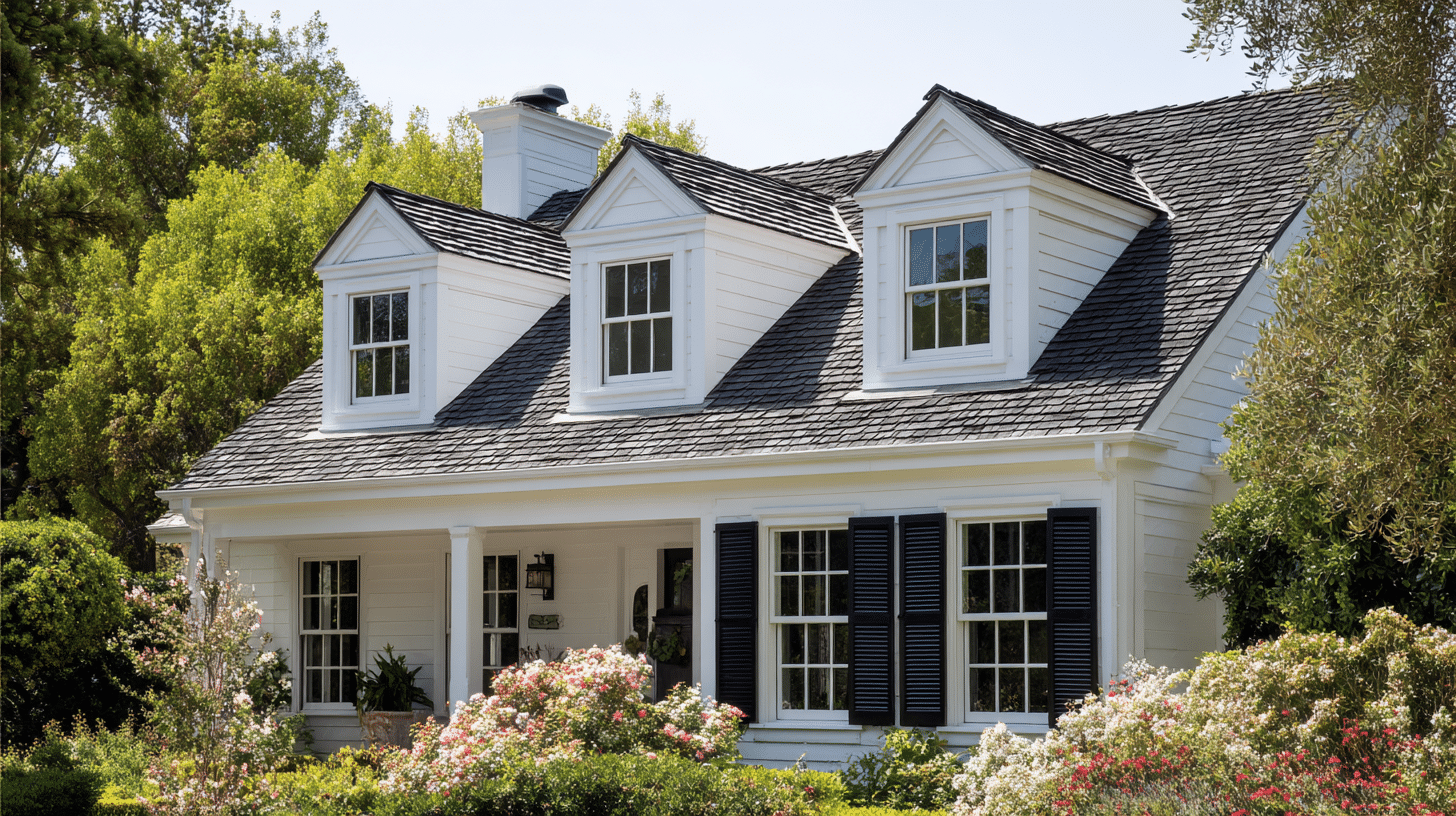
Architectural coherence: Unlike suburbs where varied styles create visual cacophony, Brightwaters maintains architectural coherence through deed restrictions and design review. Homes reflect compatible styles—predominantly colonial revival, Tudor, Mediterranean, and traditional designs—creating cohesive visual character. Contemporary or modernist designs remain rare or absent, excluded through architectural review protecting traditional character.
Substantial properties: Homes typically range from 2,500-4,000 square feet for smaller properties to 4,500-7,000+ square feet for larger estates. The substantial scale reflects both original development standards and affluent populations able to purchase, maintain, and heat large properties.
Generous lots: Properties typically occupy 0.25-0.5 acres or larger, creating spacious suburban character with substantial yards, mature landscaping, and privacy. Waterfront properties may exceed 0.5-1 acre, enabling extensive grounds and water access.
Waterfront access: The canal system provides numerous properties with docks, boat access, and water frontage. This extensive waterfront availability—created through canal excavation rather than limited natural shoreline—distinguishes Brightwaters from communities where waterfront remains scarce resource restricted to narrow bay frontage.
High maintenance standards: Properties show consistent high maintenance—manicured lawns, professional landscaping, well-maintained structures. This reflects both residents’ resources enabling professional maintenance and village code enforcement ensuring standards. Deteriorated or poorly maintained properties remain rare, contrasting sharply with adjacent Bay Shore where maintenance varies dramatically.
Limited housing diversity: The village contains almost exclusively single-family detached homes. No apartments, no multi-family housing, no attached townhouses, no affordable housing exist—creating total economic filtering through housing type uniformity.
Architectural styles lack avant-garde innovation but demonstrate quality construction, appropriate scale, and aesthetic coherence creating pleasant streetscapes if not architectural excitement. The overall effect resembles carefully maintained affluent suburb—comfortable, attractive, traditional, exclusive.
Homeownership rates exceed 95%, reflecting the exclusively single-family character and affluent populations purchasing rather than renting.
Education
Education in Brightwaters presents complexity because the village’s territory falls within multiple school districts, creating varied educational access depending on specific property location:
Multiple school districts serve Brightwaters residents:
Bay Shore Union Free School District serves portions of Brightwaters, creating the ironic situation where some Brightwaters’ most affluent families send children to schools serving Bay Shore’s working-class and immigrant populations.
West Islip Union Free School District serves other portions of Brightwaters.
Small portions may fall within other districts depending on precise boundaries.
The school district situation creates particular dynamics:
District assignment affecting property values: Properties in different districts command different prices based on perceived school quality. Families researching Brightwaters must investigate district assignments carefully, as seemingly similar properties may feed different schools with different reputations.
Bay Shore district attendance by affluent families: Some Brightwaters families send children to Bay Shore schools, creating socioeconomic integration where affluent village children attend district serving predominantly working-class and Hispanic populations. This integration—economically and ethnically—represents unusual pattern where wealth doesn’t automatically translate to segregated educational experience.
Private school usage: Given Brightwaters’ wealth concentration, meaningful numbers of families choose private schools for educational philosophy, religious instruction, or perceived quality advantages. Private schools serving area include various Catholic schools, independent schools, and boarding schools attracting affluent families.
School quality considerations: Families prioritizing maximum academic metrics and elite college placement might find West Islip district more aligned with preferences than Bay Shore district, affecting property preferences and values. However, some families value the diversity Bay Shore schools provide, viewing socioeconomic and ethnic integration as educational asset rather than liability.
Arguments about educational situation:
Complexity requiring careful property research: Prospective Brightwaters residents must investigate school assignments carefully, as district access varies by property location within village rather than applying uniformly.
Integration opportunities via Bay Shore schools: Brightwaters families sending children to Bay Shore schools participate in genuinely diverse educational environment—learning alongside working-class and immigrant children, experiencing authentic ethnic diversity, and developing cross-class relationships impossible in homogeneous affluent districts. This integration represents valuable educational experience that exclusively wealthy environments cannot provide.
Affluent families’ presence potentially supporting Bay Shore schools: Brightwaters families with children in Bay Shore district bring resources—parental involvement, potential advocacy for school funding, and middle-class cultural capital—that might benefit district serving predominantly disadvantaged populations. However, whether affluent families actually provide meaningful support or simply consume district resources without contributing proportionately remains uncertain.
Tourism
Tourism to Brightwaters operates at zero levels, with the village maintaining complete residential exclusivity without any public attractions, commercial development, or features attracting visitors:
The absolute absence of public presence reflects deliberate exclusivity:
No commercial development: Brightwaters prohibits all commercial uses absolutely—no restaurants, no shops, no businesses of any kind. Village zoning ensures exclusive residential character preventing any commercial intrusion.
No public facilities or attractions: The village contains no parks open to non-residents, no beaches providing public access, no historic sites, no attractions of any kind drawing visitors. All village facilities serve residents exclusively.
No public water access: Despite extensive waterfront, all water access remains privately controlled through property ownership and yacht club. No public boat launch, no public beach, no facilities enabling non-resident Great South Bay access exist.
Private roads in some sections: Some village roads remain private, enabling residents to control access and exclude non-residents from even driving through certain areas.
Arguments about exclusivity:
Appropriate private community: From property rights perspective, Brightwaters residents have every right to create exclusively residential community without public facilities or visitor accommodation. The village serves resident needs without obligation to provide public benefits or visitor access.
Problematic privatization of waterfront: From public access perspective, the extensive waterfront access controlled exclusively by affluent residents represents problematic privatization of natural resource. Great South Bay waterfront that could potentially provide public recreation remains accessible only to those who can afford million-dollar properties.
Contributing to regional inequity: Brightwaters’ complete exclusivity contributes to broader regional patterns where affluent populations control desirable resources (waterfront, quality schools, safe neighborhoods) while excluding those unable to afford access. This pattern creates regional inequity that individual villages pursuing local interests collectively produce.
The realistic assessment:
Brightwaters will remain exclusively residential village without tourism, public facilities, or visitor access. This represents intentional outcome achieved through zoning, governance, and community culture. Non-residents have no reason to visit Brightwaters and would find nothing accessible upon arrival. The village succeeds completely at its purpose: providing exclusive, quiet, affluent residential enclave for those who can afford access.